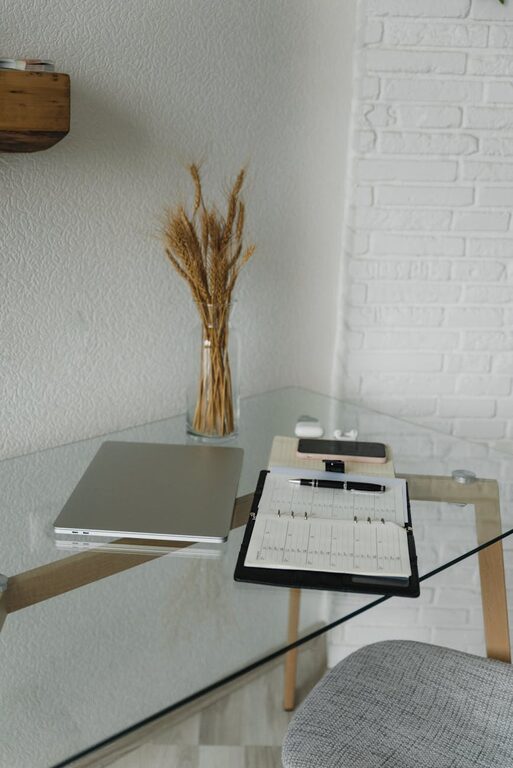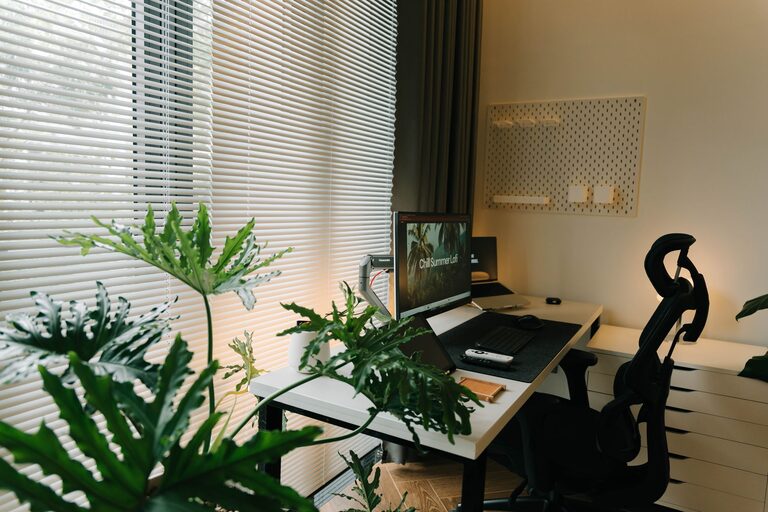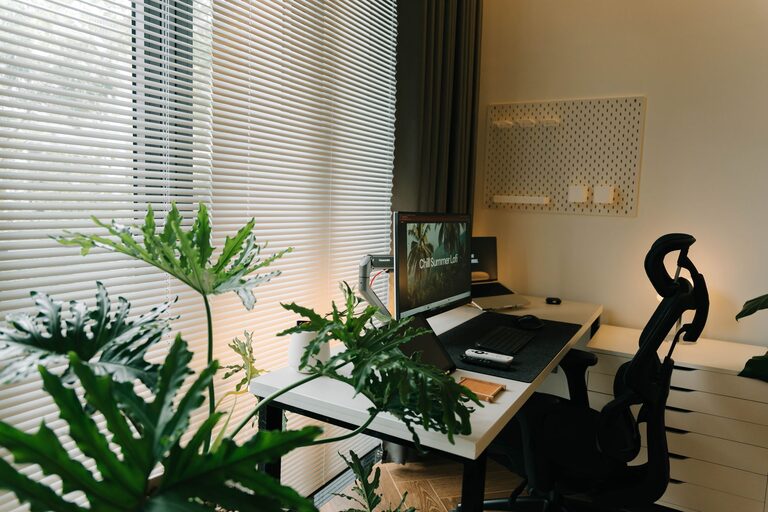
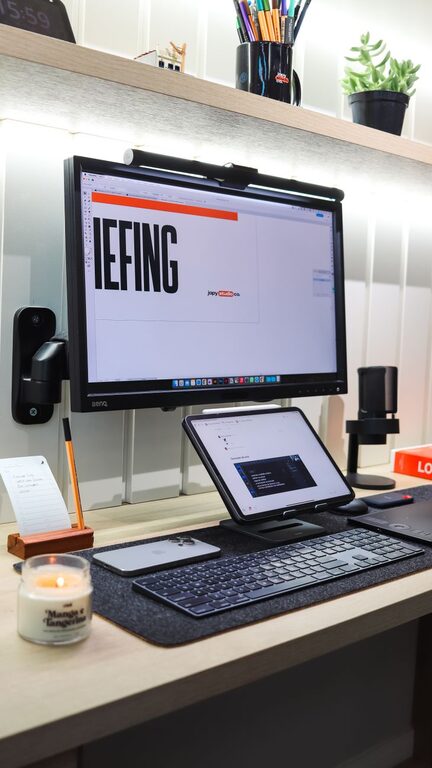
Creating an organised, clutter-free workspace is more than just an aesthetic choice—it can significantly improve your productivity and creativity. When your desk is tidy and everything has its place, you’re less distracted and can focus better on the task at hand. This article shares practical tips to help you achieve a clutter-free workspace that supports your best work.
Why a Clutter-Free Workspace Matters
Before diving into the tips, it’s useful to understand why a tidy workspace makes a difference. Cluttered spaces can cause mental distractions, increase stress, and waste time as you search for misplaced items. In contrast, a clear desk invites clear thinking, encourages creativity, and facilitates better time management.
Assess Your Current Workspace
Start with a quick assessment of your existing workspace. Look at what’s essential and what’s not. Consider the following questions:
– What do you use daily?
– What items are just taking up space?
– Is your workspace comfortable and inviting?
This reflection helps you decide what stays and what goes.
Declutter in Small Steps
Tackling the clutter all at once might feel overwhelming. Instead, break the process into manageable steps.
– Spend 10–15 minutes daily sorting and clearing.
– Focus on one area at a time, such as your desk surface, drawers, or shelves.
– Separate items into three piles: keep, relocate, and discard.
Create Dedicated Zones
Organising your workspace into zones makes it easier to maintain order and find what you need quickly. Consider establishing these zones:
– Work zone: Your primary area for computer, notebook, and daily essentials.
– Reference zone: Shelves or folders for books, manuals, or documents.
– Storage zone: Drawers or bins for less frequently used supplies.
Clear boundaries reduce clutter spillover and streamline activities.
Prioritise Ergonomics and Comfort
A clutter-free workspace should also be comfortable and ergonomic. Avoid cramming your desk with unnecessary items that reduce your working area or interfere with posture. Ensure your chair, desk height, and screen placement support good posture, which boosts focus and creativity.
Use Organisers and Storage Solutions
Practical organisers help keep items in order and easy to access.
– Desk trays for papers and notepads
– Pen holders or cups
– Drawer dividers for small items like stationery
– Cable management clips to avoid tangled wires
Choose storage solutions that suit your style and needs.
Digitise Where Possible
Reducing paper clutter is a key step in decluttering. Scan important documents and use digital notebooks or apps for notes and reminders. Digital calendars and task management tools can replace paper planners, saving desk space and keeping you organised.
Develop Daily Maintenance Habits
A tidy workspace requires regular upkeep. Incorporate simple habits into your routine:
– Clear your desk at the end of each day
– File or discard papers immediately
– Return items to their designated places after use
Small daily actions prevent clutter from piling up.
Personalise Thoughtfully
Personal touches can inspire creativity and make your workspace inviting, but too many knick-knacks can cause distraction.
– Limit decorations to a few meaningful items like photos, artwork, or plants.
– Use calming colours and natural light to create a pleasant atmosphere.
Striking a balance between practicality and personal style keeps your space both inspiring and efficient.
Take Breaks to Refresh Your Space and Mind
Sometimes productivity drops because your environment feels stale. Use breaks to stretch, tidy a little, or take a short walk. Changing your perspective can spark new ideas and reset focus.
Regularly Review and Improve
As your work needs evolve, so should your workspace. Schedule monthly or quarterly check-ins to reassess organisation systems, declutter further, and adjust storage solutions. Staying flexible ensures your workspace continues to support your best work.
—
Organising a clutter-free workspace is an ongoing process that pays off with enhanced productivity and creativity. By assessing your needs, decluttering thoughtfully, and maintaining good habits, you can create a workspace that truly works for you. Start small today and enjoy the benefits of a tidy, inspiring environment.
About the Author