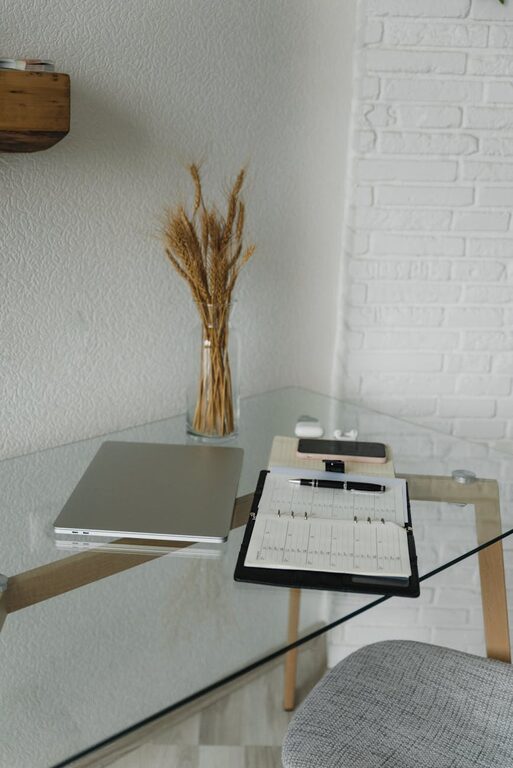
Creating an organised and comfortable home office can significantly improve your productivity and well-being while working from home. Whether you have a dedicated room or just a corner of your living space, setting up an efficient workspace is key to staying focused and feeling relaxed throughout the day. Below, we share simple tips to help you organise your home office effectively.
Why Organising Your Home Office Matters
A cluttered and disorganised workspace can make it difficult to concentrate and increase stress levels. By putting some thought into the layout, storage, and comfort of your office, you can create an environment that supports your work goals and keeps distractions to a minimum.
1. Choose the Right Location
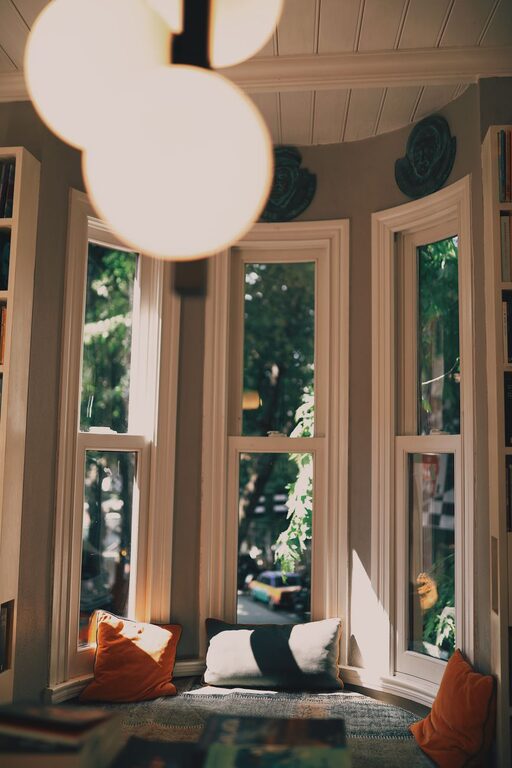
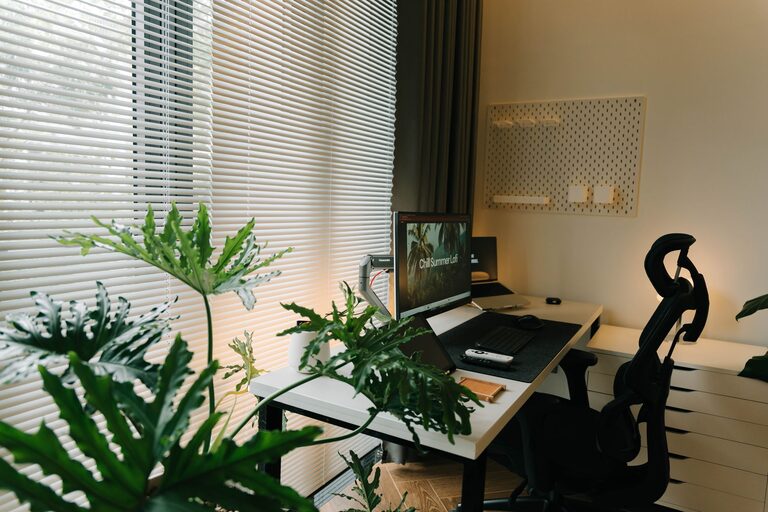
Start by selecting a quiet, well-lit area for your home office. Natural light can boost your mood and reduce eye strain, so try to position your desk near a window if possible. If natural light is limited, invest in good quality desk lamps or overhead lighting to ensure your workspace is bright enough.
2. Declutter and Simplify Your Desk
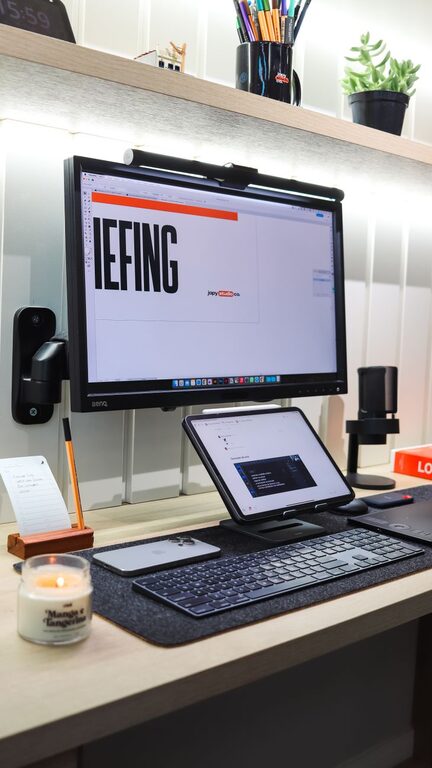
A tidy workspace allows your mind to focus better. Keep only essential items on your desk, such as your computer, notepad, pen, and a few personal or motivational items. Avoid overcrowding your workspace with unnecessary papers or gadgets.
Tips for decluttering:
– Regularly clear out old documents and receipts.
– Use a tray or organiser for daily essentials.
– Store seldom-used items elsewhere.
3. Invest in Functional Storage Solutions
Good storage reduces mess and makes it easier to find things when you need them. Consider using:
– Shelving units to keep books and files organised.
– Drawer organisers for stationery and small items.
– Filing cabinets or boxes for paperwork and documents.
– Cable organisers to keep cords tidy.
Label storage containers clearly so you can quickly identify what’s inside without having to open them.
4. Create Zones for Different Tasks
If space allows, try to define different zones for various activities, such as computer work, writing, or phone calls. This helps your brain switch focus smoothly and keeps your workspace structured.
For example:
– Use a writing pad or mouse mat to mark your primary desk area.
– Have a small table or shelf nearby for reference materials or brainstorming.
5. Prioritise Ergonomics and Comfort
Your physical comfort directly affects your ability to concentrate for long periods. Make sure your chair supports your back and allows your feet to rest flat on the floor. Your desk height should allow your arms to rest comfortably while typing.
Additional tips:
– Use a separate keyboard and mouse for better positioning.
– Consider a monitor stand to keep your screen at eye level.
– Add cushions or footrests for extra support if needed.
Taking short breaks and stretching regularly is also important for reducing tension and fatigue.
6. Personalise Your Space Mindfully
Adding personal touches can make your office more enjoyable, but avoid overdoing it. Select a few meaningful items like photos, plants, or artwork to brighten the area without causing distractions.
Indoor plants, for instance, can improve air quality and add a calming touch to your workspace.
7. Manage Cables and Technology Efficiently
A tangle of cables can create visual chaos and even become a safety hazard. Use cable clips, sleeves, or ties to bundle wires neatly behind desks or along walls. Position your router or modem in an accessible but hidden spot to reduce clutter.
Keep your technology updated and clean to avoid slowdowns or frustraton during work.
8. Implement a Daily and Weekly Routine
Consistent habits can keep your home office organised over time. At the end of each day:
– Clear your desk of loose papers.
– Sort your emails and files.
– Plan your tasks for the next day.
Once a week, do a deeper clean and reorganise any areas that have become messy. This routine prevents clutter from building up and keeps your workspace fresh and inviting.
Final Thoughts
Organising your home office doesn’t have to be complicated or expensive. By making small but thoughtful adjustments to your workspace layout, storage, comfort, and habits, you can create an environment that helps you work better and feel comfortable throughout your day.
Start with one or two tips and gradually build your ideal home office space — your productivity and well-being will thank you.
About the Author