Creating a productive home workspace is essential for anyone working remotely or managing tasks from home. A well-designed area can enhance concentration, reduce stress, and improve overall work performance. Whether you have a dedicated room or a small nook, the following tips will help you make the most of your home office environment.
Choose the Right Location
Selecting the best spot in your home for work is the first step. Ideally, this should be a quiet area with minimal distractions. If possible, avoid spaces that are frequently used by family members or near loud appliances.
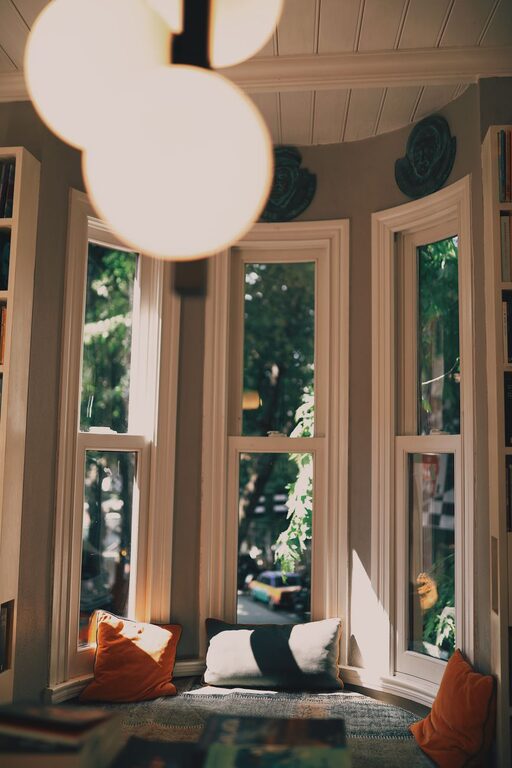
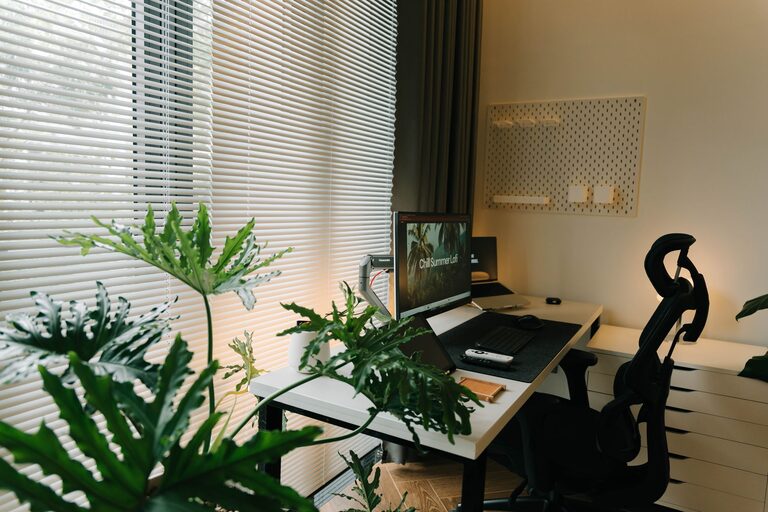
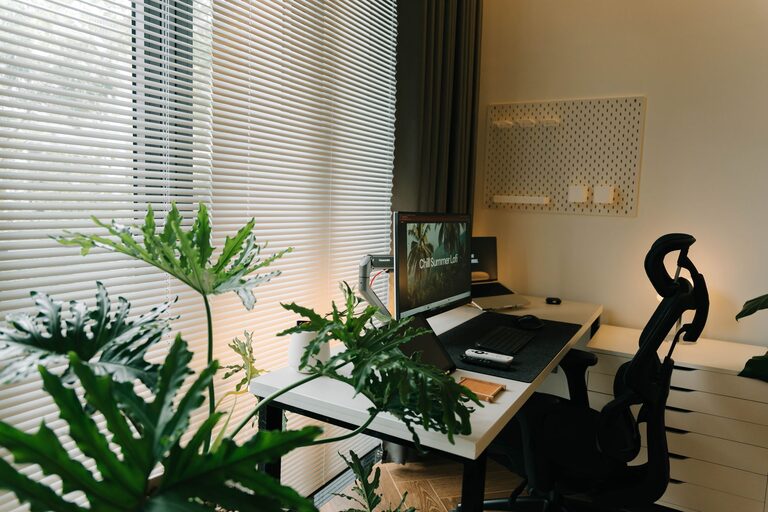
– Look for natural light: Position your desk near a window to benefit from daylight, which can elevate mood and reduce eye strain.
– Consider privacy: A separate room is ideal, but if that’s not an option, use room dividers or screens to create boundaries.
– Think about connectivity: Ensure the chosen area has access to a strong Wi-Fi signal and convenient power outlets.
Invest in Comfortable and Functional Furniture
Your furniture plays a crucial role in both productivity and health.
– Ergonomic chair: Choose a chair that supports your back, promotes good posture, and can be adjusted to your height.
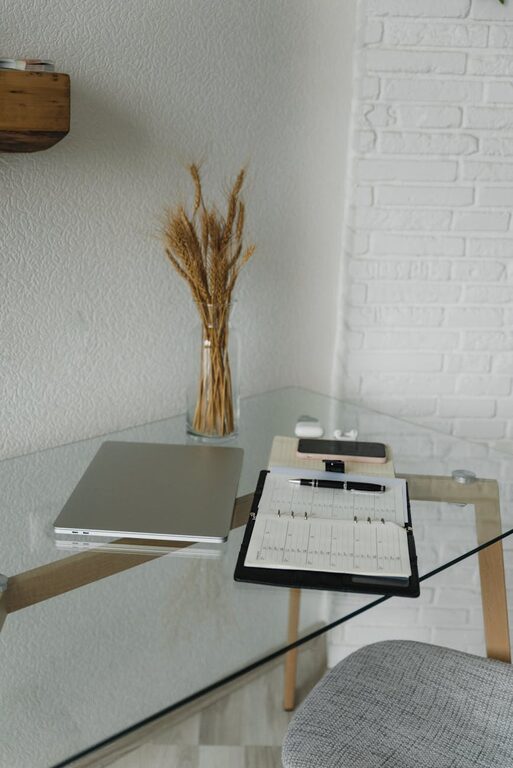
– Suitable desk: The desk should be at a comfortable height and spacious enough to hold your essential equipment like laptop, keyboard, mouse, and notebooks.
– Additional furniture: Shelving units, filing cabinets, or drawers help keep your workspace organised and clutter-free.
Organise Your Workspace Efficiently
A tidy, organised environment can improve focus and reduce stress.
– Declutter regularly: Keep only the essentials on your desk.
– Use organisers: Desk trays, pen holders, and cable management systems keep everything in place.
– Digital organisation: Make use of folders and cloud storage to keep your files accessible and well-sorted.
Optimise Lighting
Good lighting reduces eye strain and keeps you alert.
– Combine natural and artificial light: Use a desk lamp with adjustable brightness for cloudy days or late working hours.
– Avoid glare: Position screens and lamps to prevent reflections and glare, which can be tiring.
– Consider colour temperature: Cooler white light helps stay alert, while warmer light can create a cosy atmosphere during breaks.
Minimise Distractions
Maintaining focus at home can be challenging but manageable with some plans.
– Set boundaries: Inform family or housemates of your working hours.
– Use noise-cancelling headphones: They help block background noise and can be a signal that you’re working.
– Limit phone usage: Keep your phone on silent or in another room during work periods to reduce interruptions.
Personalise Without Overcrowding
Adding personal touches can make your workspace inviting but avoid excess items.
– Add plants: They improve air quality and create a calming environment.
– Use artwork or photos: Simple decorations that inspire or make you feel comfortable can boost morale.
– Avoid clutter: Keep decorations minimal to maintain a clean and focused atmosphere.
Take Regular Breaks and Move
Encourage yourself to step away from your workspace periodically.
– Follow the 20-20-20 rule: Every 20 minutes, look at something 20 feet away for at least 20 seconds to rest your eyes.
– Stretch or walk: Short bursts of physical activity can revitalise your mind and reduce stiffness.
– Use break reminders: Apps or alarms can help you remember to take breaks regularly.
Maintain a Routine
Keeping a structured schedule promotes productivity.
– Set clear working hours: Define start and end times to separate work from personal life.
– Plan your day: Use a to-do list or planner to organise tasks and priorities.
– Dress for work: Changing into work-appropriate clothes can mentally prepare you for the day ahead.
Prioritise Wellbeing
Your mental and physical health are key to staying productive.
– Ensure good ventilation: Fresh air helps concentration and comfort.
– Stay hydrated and eat healthily: Keep water and snacks nearby to stay energised.
– Incorporate mindfulness: Short meditation or breathing exercises can reduce stress during the day.
Creating a productive home workspace is about combining comfort, organisation, and healthy habits. By following these tips, you can build an environment that supports your best work and wellbeing. Remember, small changes can make a big difference in how you feel and perform throughout your workday.
About the Author