Creating a productive home office environment is essential in today’s working world. Whether you’re freelancing, working remotely, or just need a dedicated space for occasional tasks, the right setup can make a significant difference. A well-organised and comfortable home office improves focus, reduces stress, and helps separate work life from home life.
In this post, we’ll cover practical tips to help you design and maintain a home office that supports productivity and wellbeing.
Choose the Right Location
Find a Quiet Spot
Choose a space in your home with minimal noise and distractions. It might be a spare room, a corner of the lounge, or even a nook under the stairs. The key is to have a location where you can concentrate without frequent interruptions.
Consider Natural Light
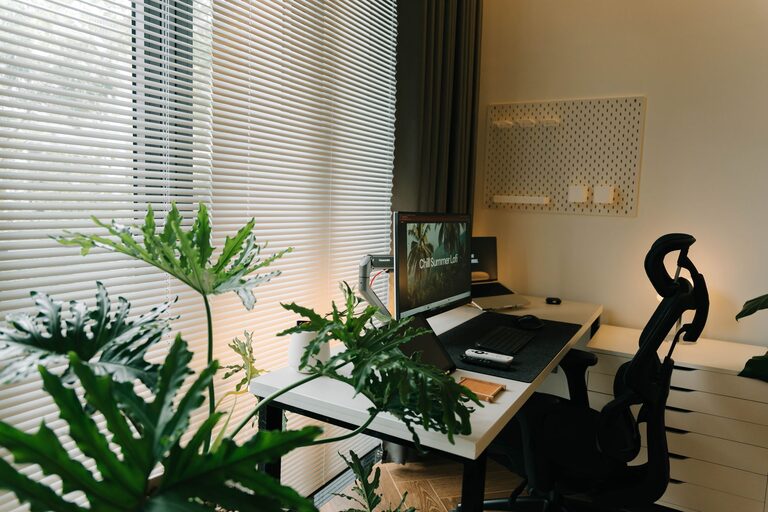
Natural light enhances mood and alertness. Aim to set up your workspace near a window to take advantage of daylight. Avoid glare on your computer screen by positioning your desk at a right angle to the window.
Invest in Ergonomics
Comfortable Chair and Desk
An ergonomic chair with good lumbar support helps prevent back pain during long working hours. Pair it with a desk at the right height to maintain good posture. Your forearms should be parallel to the floor when typing.
Screen Positioning
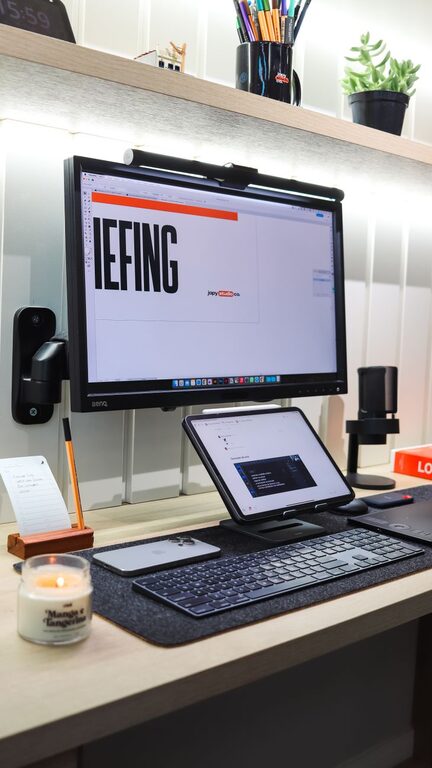
Place your monitor at eye level, about an arm’s length away, to reduce neck and eye strain. If you use a laptop, consider a laptop stand and external keyboard and mouse.
Take Regular Breaks
Use techniques like the Pomodoro timer (25 minutes of work followed by a 5-minute break) to move, stretch, and rest your eyes regularly.
Organise Your Workspace
Declutter Your Desk
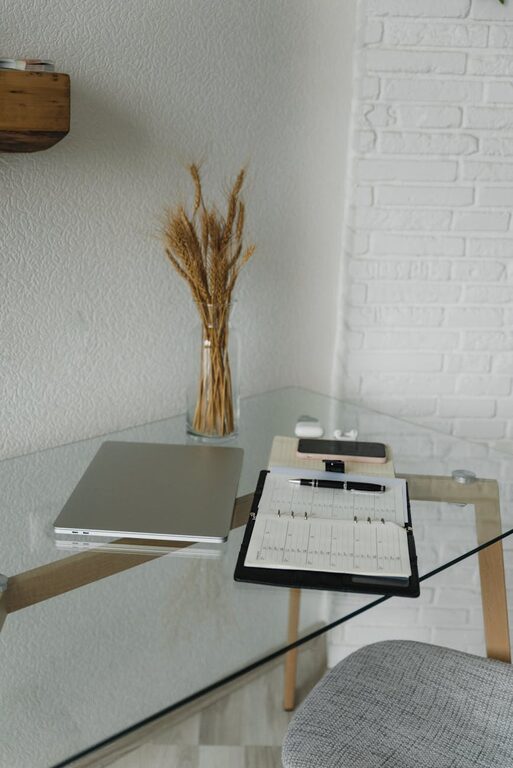
A tidy desk helps improve focus and reduces stress. Keep only essential items on your desktop, such as your computer, notepad, and a few pens.
Storage Solutions
Use shelves, drawers, and boxes to store paperwork and supplies. Label containers so you can easily find what you need without digging through piles.
Cable Management
Tidy cables with clips and ties to keep your desk neat and prevent tangling. This also reduces trip hazards and makes cleaning easier.
Set Boundaries and Routine
Define Work Hours
Set clear working hours and communicate them to household members. This helps minimise interruptions and maintains a healthy work-life balance.
Dedicated Work Attire
Changing into work clothes, even at home, can mentally prepare you for the workday and signal a shift in mindset.
Plan Your Day
Use a planner or task management app to outline daily goals. Breaking large tasks into manageable steps can make work less overwhelming.
Manage Distractions
Minimise Noise
Use noise-cancelling headphones or play background music if it helps you focus. Alternatively, white noise machines can mask disruptive sounds.
Limit Digital Interruptions
Turn off non-work-related notifications on your devices. Consider apps that block distracting websites during work hours.
Communicate Boundaries
Let family or roommates know your work schedule so they respect your workspace and avoid unnecessary interruptions.
Add Personal Touches
Plants and Greenery
Adding a plant can boost mood and improve air quality. Even a small succulent adds life to your desk.
Inspiring Decor
Include artwork or photos that inspire you without being distracting. Personal touches make your workspace inviting.
Proper Lighting
In addition to natural light, use task lighting like a desk lamp to reduce eye strain during darker hours.
Maintain Your Workspace
End-of-Day Routine
Spend 5-10 minutes before finishing work to clear your desk and organise your next day’s tasks. A clean start boosts morning productivity.
Regular Cleaning
Dust your workspace weekly and keep devices wiped down. A clean environment supports wellbeing and focus.
Additional Equipment and Tools
Reliable Internet Connection
A fast, stable internet connection is fundamental for smooth communication and work efficiency.
Quality Headset and Webcam
If you attend virtual meetings, good audio and video equipment improve interactions and reduce frustrations.
Office Supplies
Keep essentials like pens, notebooks, chargers, and printer paper within easy reach to avoid wasting time searching.
—
By thoughtfully designing your home office and developing good habits, you can create a productive, comfortable space that supports your professional goals. Small changes can have a big impact on your focus and motivation.
Remember, a productive home office is not only about the physical setup but also about cultivating a routine and mindset that helps you thrive. Happy working!
About the Author