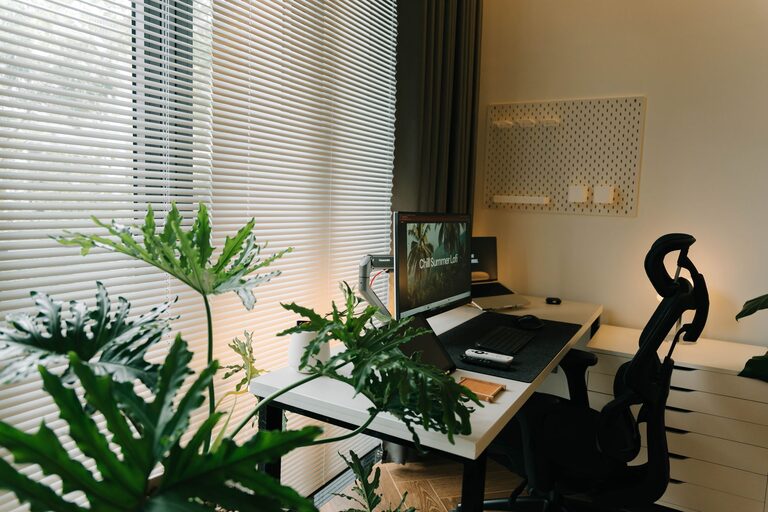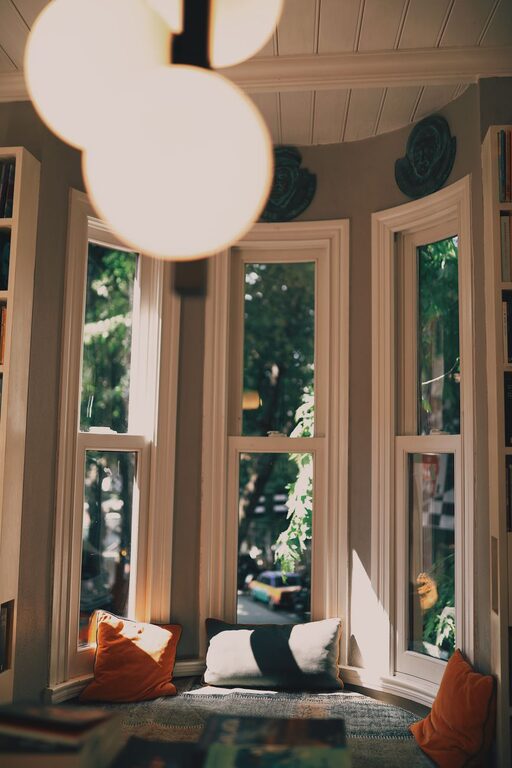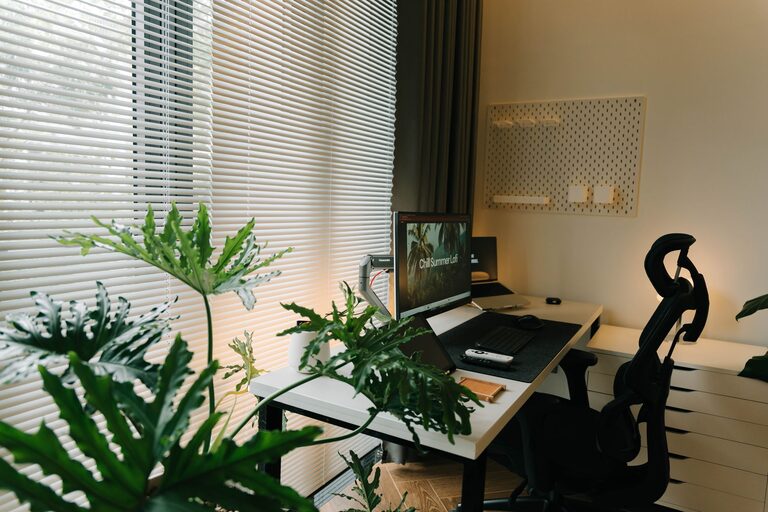
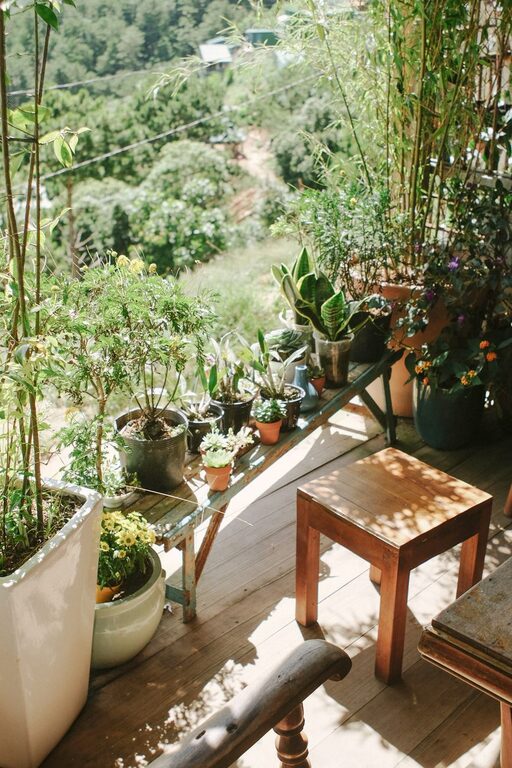
Creating a relaxing garden space at home is a wonderful way to enjoy the outdoors, reduce stress, and add beauty to your property. Whether you have a small balcony or a large backyard, with thoughtful planning and simple touches, you can design a garden that offers calm and comfort. This guide shares practical tips to help you bring your serene garden vision to life.
Start with a Clear Purpose
Before you begin planting or buying furniture, think about what you want from your garden. Are you looking for a quiet place to read, an area to entertain friends, or a spot for meditation and yoga? Defining your goal will help you make design choices that suit your needs.
– For relaxation and meditation: consider open spaces, secluded corners, and soft colours.
– For socialising: include seating areas and possibly outdoor lighting for evenings.
– For nature lovers: focus on plants that attract birds and butterflies.
Choose the Right Plants
Plants are the foundation of any garden and have a strong influence on its atmosphere. Select varieties that are easy to care for and suit your climate.
Opt for Soothing Colours
Soft greens, purples, and blues tend to have a calming effect. Flowers like lavender, rosemary, and hydrangeas not only look beautiful but also smell calming.
Incorporate Different Textures
Mixing leafy shrubs with grasses and flowering plants creates visual interest without overwhelming the senses.
Use Fragrant Plants
Scent plays a big role in relaxation; plants such as jasmine, gardenia, and camomile offer gentle aromas that can uplift your mood.
Create Comfortable Seating Areas
Your garden should invite you to sit and relax. Consider these ideas for a comfy seating space:
– Benches: A wooden bench under a tree provides shade and a natural feel.
– Hammocks: Perfect for gentle swinging and napping.
– Outdoor cushions and rugs: Add softness and warmth to seating arrangements.
– Weatherproof furniture: Choose durable materials that withstand outdoor conditions while remaining comfortable.
Place seating where you can enjoy the best views, listen to birds, or feel a gentle breeze.
Incorporate Water Features
The sound of water is naturally soothing and can mask unwanted noise from neighbours or traffic.
– Small fountains or birdbaths are easy to maintain.
– A miniature pond can bring additional wildlife to your garden.
– Consider a decorative rain chain to enjoy gentle water sounds during wet weather.
Use Lighting to Extend Relaxation Time
Garden lighting allows you to enjoy your outdoor space well into the evening.
– Soft fairy lights wrapped around shrubs or pergolas create a magical atmosphere.
– Solar garden lights are eco-friendly and easy to install.
– Use path lights to safely guide you through flower beds or pathways.
Avoid harsh, bright lights to maintain a peaceful mood.
Add Personal Touches and Decor
Small details can make your garden feel truly inviting.
– Wind chimes add gentle melodies.
– Garden statues or sculptures reflect your personality.
– A fire pit or chiminea can provide warmth and a cosy focal point on cooler evenings.
– Use natural materials like stone, wood, and wicker to keep the space harmonious with nature.
Maintain Simplicity and Order
While it can be tempting to fill every corner with plants and decorations, simplicity often creates the most relaxing environment.
– Keep paths clear and beds tidy.
– Choose low-maintenance plants if you prefer less gardening work.
– Regular pruning and weeding keep the space welcoming and stress-free.
Consider Accessibility and Practicalities
A relaxing garden should be easy to use and safe for all members of your household.
– Ensure pathways are level and wide enough for comfortable walking.
– Use non-slip surfaces near seating or water features.
– Provide shaded areas to protect from sun exposure.
Use Natural Sounds and Wildlife
Encourage local wildlife to visit your garden. Birds, bees, and butterflies not only contribute to biodiversity but also add natural sounds and movement that enhance tranquillity.
– Plant native species for better results.
– Install bird feeders and homes.
– Avoid pesticides that harm beneficial insects.
Create Zones for Different Activities
If your garden is large enough, designating separate areas can enhance your experience.
– A quiet nook with a comfortable chair for reading.
– A dining area with a table and chairs.
– A space for stretching or yoga with a soft mat or decking.
This zoned approach prevents clutter and helps you switch between relaxation modes.
—
Transforming your garden into a relaxing space is about making thoughtful choices that suit your lifestyle and preferences. By focusing on natural colours, textures, sounds, and comfortable seating, you can create an outdoor haven that welcomes you after a busy day. Remember, your garden should be a reflection of your own idea of calm and comfort—start small, enjoy the process, and watch your green space grow into a true retreat.
About the Author