Working from home has become increasingly common, and having a comfortable and productive home office space is essential. Whether you have a dedicated room or a small corner, creating an environment that supports focus and wellbeing can make a significant difference in your work-life balance. In this post, we’ll share practical tips to help you design a home office that suits your needs.
Choose the Right Location
Selecting the best spot for your home office is crucial. Ideally, find a quiet area with minimal distractions. If possible, choose a separate room to clearly separate work from personal life. If space is limited, pick a corner in a low-traffic area.
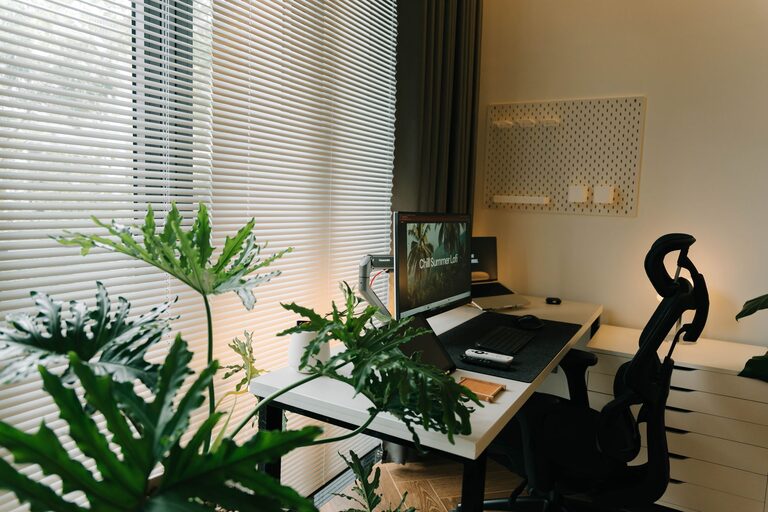
Natural light is another important factor. Position your desk near a window to benefit from daylight, which can improve mood and alertness. However, avoid glare on your screen by using curtains or blinds.
Invest in Ergonomic Furniture
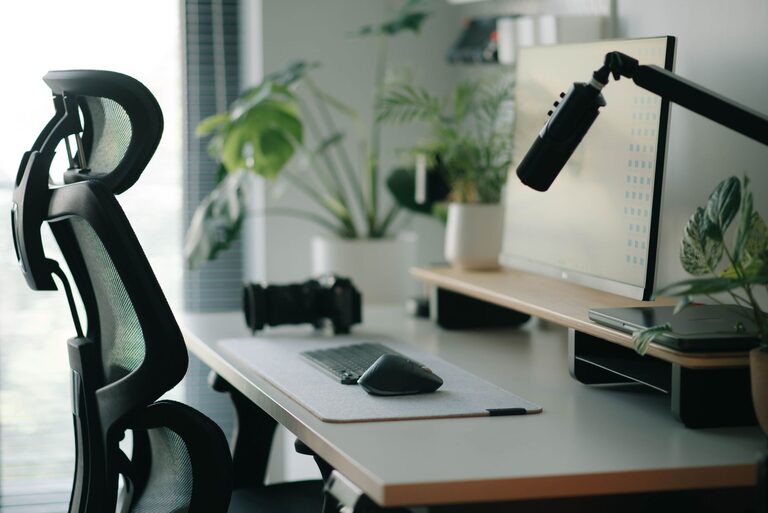
Comfort plays a big role in how long you can work efficiently. An ergonomic chair that supports your back and promotes good posture can prevent discomfort and long-term health issues. Look for chairs with adjustable height, lumbar support, and cushioned seats.
Your desk should be at a height that lets your elbows rest comfortably at about 90 degrees while typing. Consider options like adjustable desks which let you alternate between sitting and standing during the day.
Keep Your Workspace Organised
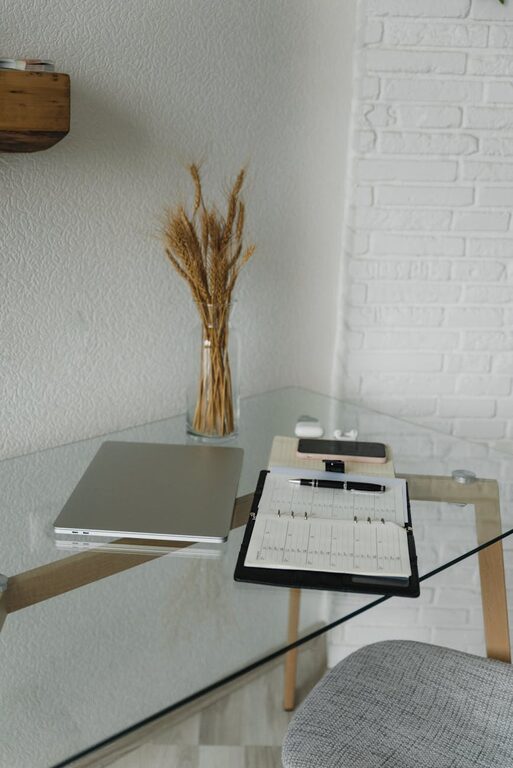
A tidy desk helps reduce distractions and improves focus. Use storage solutions such as shelves, drawers, and desk organisers to keep essentials within reach but out of the way.
Regularly declutter your space by removing unnecessary items. Labelled containers or filing systems can help manage paperwork and digital devices efficiently.
Use Proper Lighting
Besides natural light, ensure your home office has adequate artificial lighting. A good desk lamp with adjustable brightness can reduce eye strain, especially during darker winter months.
Choose warm or neutral white light for a calm atmosphere. Avoid overly bright or cool blue tones that might cause fatigue.
Minimise Noise and Distractions
Noise can break concentration quickly. If you can’t use a separate room, try noise-cancelling headphones or white noise machines to block out distractions.
Communicate your work schedule to family or housemates, so they can respect your working hours. Setting clear boundaries helps maintain focus and professionalism.
Personalise Your Workspace
Adding personal touches can make your office more inviting and motivating. Consider including plants, artwork, or photos that inspire you.
Plants, in particular, can improve air quality and create a calming atmosphere. Just be sure not to clutter your desk space excessively.
Set Up Necessary Technology
Reliable technology supports smooth workdays. Ensure your internet connection is fast and stable. Position your computer and peripherals ergonomically to avoid awkward postures.
Use cable organisers to keep wires neat and prevent tangles. Backup important files regularly and maintain software updates to avoid technical issues.
Establish a Routine and Boundaries
Even with the best setup, productivity depends on your habits. Define clear working hours and take regular breaks to rest your eyes and move around.
Create a start-of-day ritual to mentally prepare for work, such as making a cup of tea or reviewing your to-do list. When the workday ends, shut down your office space to signal the end of work.
Final Thoughts
Creating a comfortable and productive home office doesn’t require a huge budget or space. With thoughtful choices about location, furniture, lighting, and organisation, you can build a workspace that supports your goals and wellbeing. Remember, the key is to tailor your environment to what helps you focus and feel comfortable throughout the day.
Try implementing some of these tips and adjust as you go to find what works best for you. A well-designed home office can make working from home a more enjoyable and effective experience.
About the Author