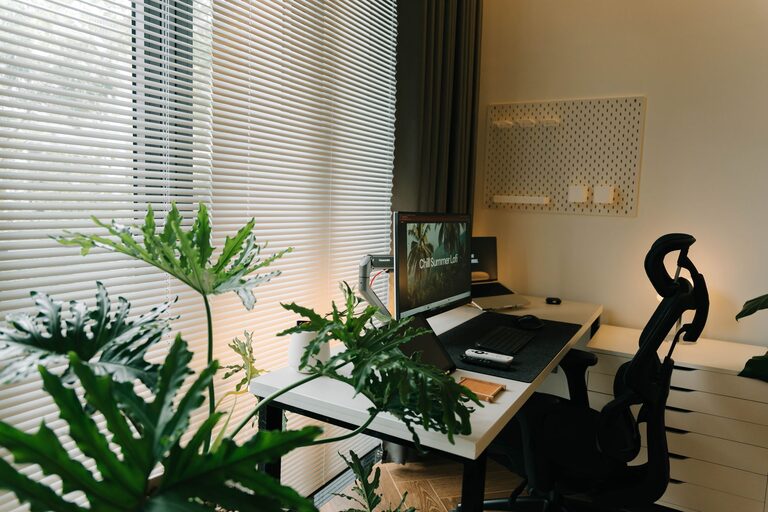
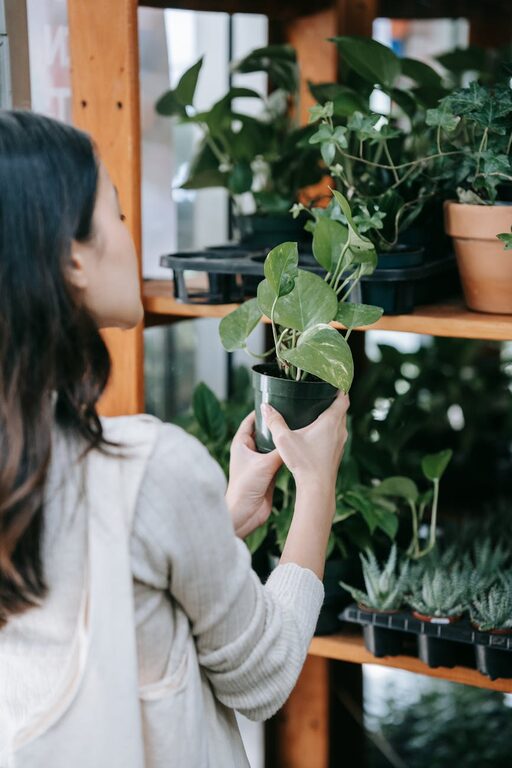
Creating a relaxing home garden is a wonderful way to bring nature’s calm right to your doorstep. Whether you have a large backyard or a small balcony, a garden can be a peaceful retreat where you unwind, connect with nature, and enjoy fresh air. If you’re new to gardening, don’t worry—starting a home garden can be simple and rewarding. Here are some easy steps to help you create your own tranquil garden space.
Why Create a Relaxing Home Garden?
A garden is more than just plants and flowers; it’s your personal sanctuary. Spending time in a garden can reduce stress, improve mood, and even promote mindfulness. Designing a space that feels calm and inviting encourages regular use, making your home a happier place.
Step 1: Choose the Right Location
Before planting anything, think about where your garden will feel most relaxing.
– Assess available space: Whether it’s a section of your backyard, a balcony, or a windowsill, find a spot that can comfortably hold the plants you want.
– Consider sunlight: Most plants need at least six hours of sunlight daily. Observe your chosen area at different times to understand how much sunlight it receives.
– Think about privacy and noise: A quiet, secluded spot will make your garden feel more peaceful. Using natural barriers like hedges or screens can help shield unwanted noise or views.
Step 2: Plan Your Garden Layout
Organising your space will help create a balanced, inviting atmosphere.
– Sketch a simple plan: Draw your space on paper and mark where you want pathways, seating, and plants.
– Include a seating area: A bench, hammock, or comfortable chair will invite you to relax and enjoy your garden.
– Create focal points: Features like a water fountain, birdbath, or a colourful flower bed draw the eye and add to the tranquility.
Step 3: Select Plants for Relaxation and Easy Care
Choosing the right plants is key, especially for beginners.
– Opt for low-maintenance plants: Lavender, ferns, hostas, and snake plants require minimal care and add soothing greenery.
– Include fragrant plants: Scents like jasmine, rosemary, or gardenias can enhance the relaxing atmosphere.
– Mix textures and colours: Different leaves, flowers, and shades bring visual interest without overwhelming your space.
– Consider native plants: These tend to thrive with less effort because they are suited to your local climate and soil.
Step 4: Prepare the Soil
Good soil is the foundation of a healthy garden.
– Test your soil: You can get simple soil testing kits from garden centres to check pH and nutrient levels.
– Add compost or mulch: Organic matter improves soil health and helps retain moisture.
– Ensure good drainage: Avoid waterlogging by using raised beds or improving soil structure if needed.
Step 5: Plant Thoughtfully
The way you plant affects how your garden develops.
– Follow spacing guidelines: Don’t overcrowd plants to reduce competition and disease risk.
– Plant in groups: Grouping plants with similar water and sunlight needs simplifies care.
– Water correctly: Newly planted areas need regular watering to establish roots but avoid overwatering.
Step 6: Add Relaxation Elements
Personalise your garden with touches that enhance calm and comfort.
– Outdoor furniture: Choose weather-resistant options that invite relaxation.
– Soft lighting: Solar lights or lanterns create a cosy atmosphere in the evening.
– Decorative elements: Wind chimes, sculptures, or stepping stones add character and serenity.
– Wildlife-friendly touches: A bird feeder or butterfly-friendly plants encourage nature to visit.
Step 7: Maintain Your Garden Regularly
Keeping your garden healthy helps maintain its relaxing appeal.
– Regular watering: Adjust according to weather and plant needs.
– Pruning and deadheading: Remove dead or overgrown parts to promote growth.
– Weeding: Keep weeds under control to prevent competition for nutrients.
– Seasonal care: Prepare your garden for different seasons with mulching, covering delicate plants, or planting seasonal flowers.
Bonus Tips for Beginners
– Start small: It’s better to begin with a manageable area and expand as you gain confidence.
– Keep a gardening journal: Record planting dates, watering schedules, and observations.
– Seek advice: Local garden centres and community groups are great resources.
– Be patient: Gardens take time to grow and settle; enjoy each small success.
Conclusion
Creating a relaxing home garden doesn’t require expert skills or expensive equipment—just a little planning, patience, and love for nature. By following these simple steps, you’ll soon have a peaceful outdoor space to enjoy day after day. Happy gardening!
About the Author